Learn how to compare Springfield, VA neighborhoods before you tour, from commute patterns and lot layout to home styles, tree cover, and renovation trends that shape long-term fit.

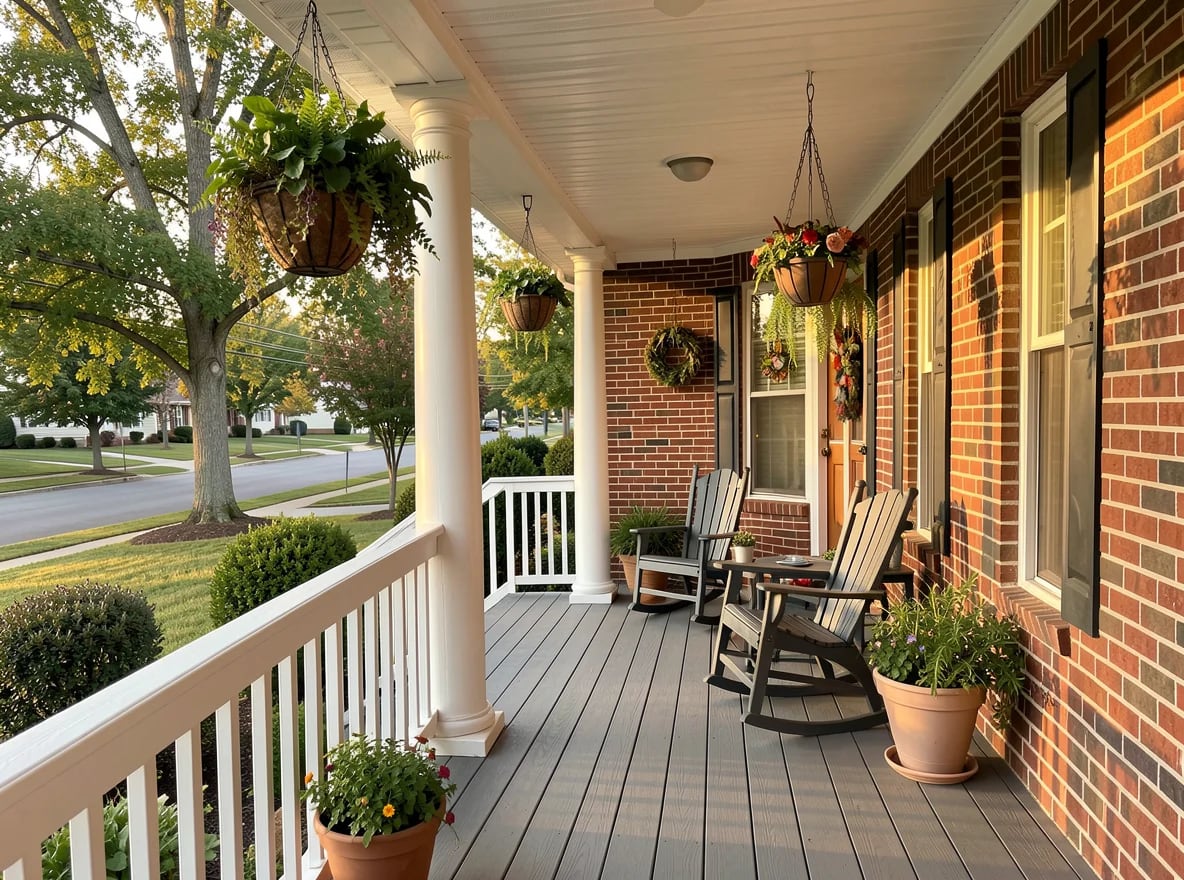
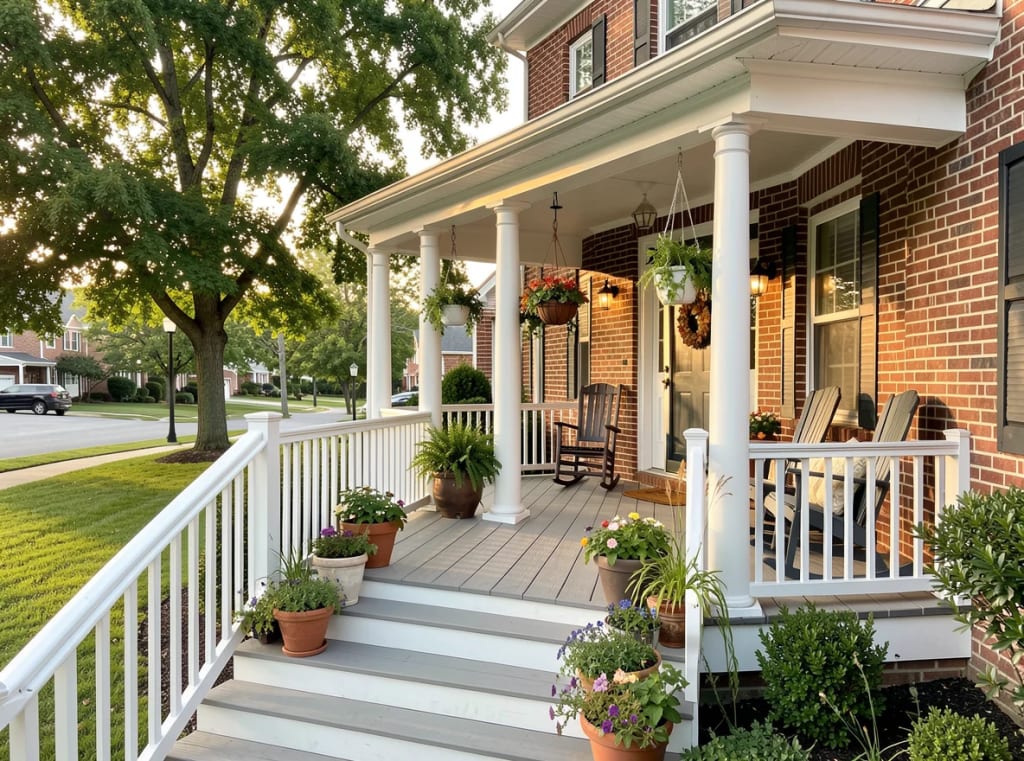
For first-time buyers, Springfield offers more than a convenient Northern Virginia address. The real clues to long-term fit often show up before you ever step inside a house: the shape of the lot, the tree cover on the block, the age and style of nearby homes, and how easily a neighborhood connects to major commuter routes. In a community known for mid-century split-levels, brick ramblers, townhome clusters, and leafy residential streets, those details can quickly tell you whether an area matches your budget, routine, and renovation comfort level.
This guide introduces the key patterns buyers should watch for as they compare Springfield neighborhoods. We will look at how local market conditions affect choice, which neighborhood features can influence daily life, and what practical steps help buyers evaluate homes with more confidence. If you are trying to narrow down where to focus your search, Springfield gives you a strong mix of community feel, access, and housing variety to study closely.
For first-time buyers comparing Springfield neighborhoods, current market conditions matter because they shape which clues are worth noticing before you tour. In a market where well-kept split-levels, brick ramblers, and commuter-friendly townhomes can draw fast attention, price movement often reflects more than square footage alone. Homes on quiet, tree-lined streets, lots with usable backyards, and properties near major commuter routes or Metro access may command stronger interest because buyers are weighing long-term convenience as much as the house itself.
Inventory can also change how you read a neighborhood. When choices are limited, buyers may need to look more closely at renovation patterns, rooflines, parking, and lot layout to decide whether a block offers lasting value or just short-term appeal. In Springfield, older housing stock means one street may show mostly original homes while the next has updated kitchens, additions, and improved outdoor spaces. That contrast can signal where demand has been strongest. For buyers thinking about timing, the key is to stay prepared rather than wait for a perfect window: get pre-approved, track new listings closely, and compare how different pockets of Springfield balance price, condition, commute access, and future resale potential.
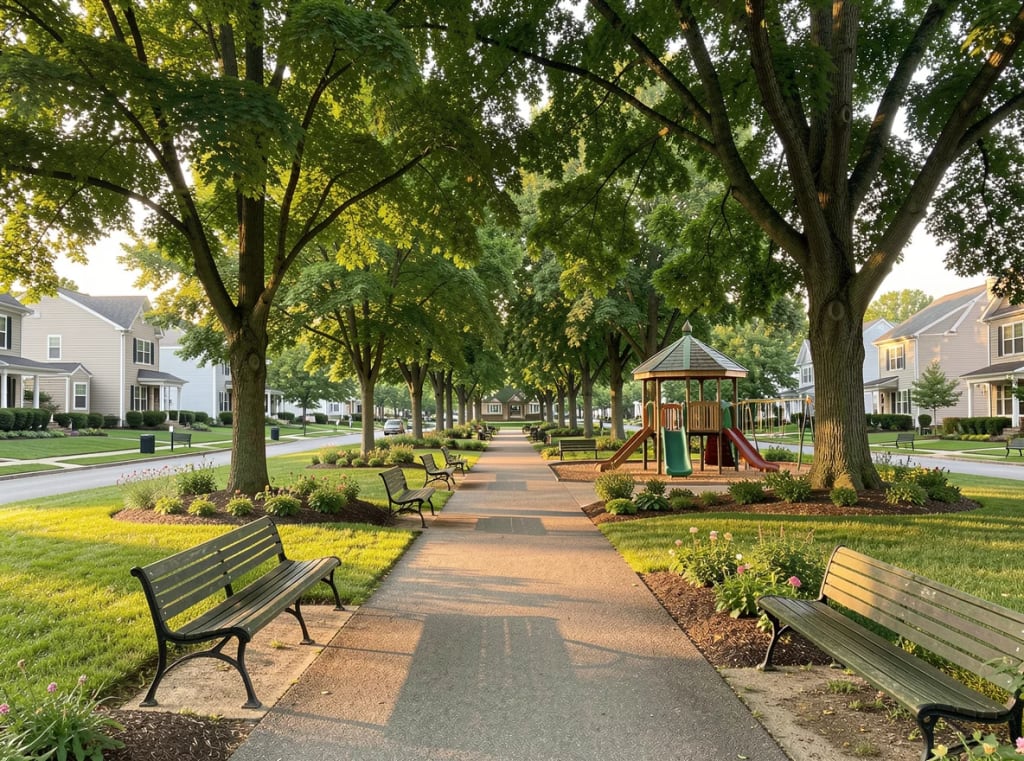
For first-time buyers comparing Springfield, the neighborhood often tells you as much as the house itself. Look at how streets are laid out in established pockets with split-levels, brick ramblers, and colonial-style homes versus newer townhome clusters near commuter routes. Mature tree canopy, lot depth, sidewalk patterns, and the presence of cul-de-sacs can signal whether an area feels quieter, more connected, or easier to maintain over time.
Community amenities also help buyers narrow the right fit. Lake Accotink Park, neighborhood greenways, playgrounds, and youth sports fields point to the outdoor lifestyle many Springfield residents value, while shopping centers, casual dining, and access to Metro and park-and-ride options shape day-to-day convenience. Buyers should also note proximity to well-known schools, wooded buffers behind homes, and renovation patterns on nearby blocks, since these details can reveal how a neighborhood is evolving and whether it matches your commute, budget, and long-term plans.
As you compare Springfield neighborhoods, work with a local agent who can explain what you are seeing beyond the listing photos. In this market, details like a split-level on a sloped lot, a rambler backing to a wooded buffer, or a townhome near major commuter routes can affect resale, maintenance, and daily convenience. A knowledgeable local guide can help you weigh commute access, renovation patterns on the block, tree cover, parking, and how each pocket of Springfield fits your budget and lifestyle.
Before touring seriously, get fully pre-approved rather than relying on a quick online estimate. That gives you a clearer price range and helps you move quickly when a well-located home hits the market. In competitive situations, strong offers are not always just about price. Buyers should review contingencies carefully, understand likely repair needs in older homes, and be ready to act when a property checks the right boxes for lot layout, home style, and long-term fit. In Springfield, preparation helps first-time buyers make confident decisions instead of rushed ones.
As you compare Springfield neighborhoods, the most useful clues often appear before you ever step inside a home. Street layout, tree cover, lot shape, and the mix of split-levels, ramblers, colonials, and townhomes can quickly tell you how a block may fit your budget, commute, and long-term plans. In Springfield, wooded streets near creek corridors and Lake Accotink can offer a more tucked-away feel, while homes closer to major commuter routes may trade extra convenience for a busier setting.
For first-time buyers, the goal is not simply finding a house that looks good online. It is learning how to read the neighborhood itself: whether parking feels easy, whether renovation patterns suggest rising demand, and whether the surrounding homes match the lifestyle you want. Key Home Realty Group helps buyers evaluate these details across Springfield and the wider Northern Virginia market so decisions are based on context, not guesswork.
Springfield Homes to Compare
Browse active Springfield listings that fit a first-time buyer search, then compare home style, commute access, lot layout, and renovation patterns.
Listing Office: Capital Center
Listing Office: Keller Williams Realty Dulles
Listing Office: ARX Properties LLC
Listing Office: Pearson Smith Realty, LLC
Listing Office: Pearson Smith Realty LLC
Listing Office: SR Investments & Realtors, LLC
Sign in with your email address
You’re being redirected to the page with listing data.